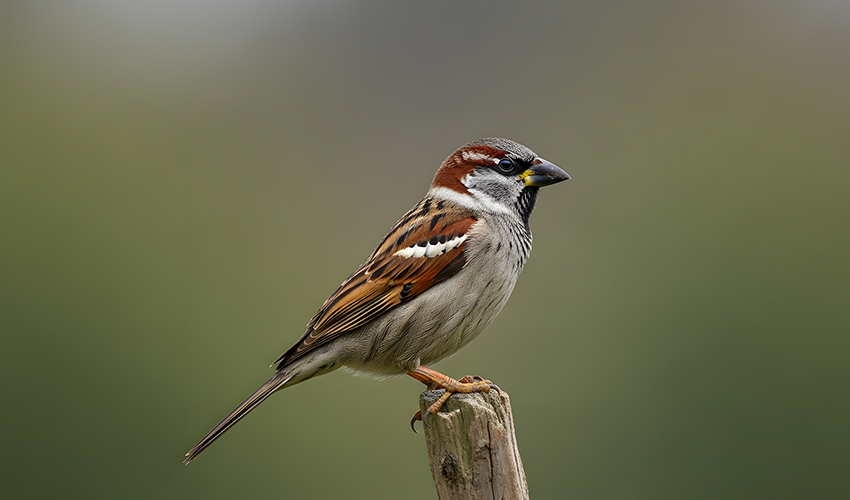


Baby bird identification depends on several clues: age, feather growth, body shape, behavior, location, nest type, and the presence of parent birds nearby. A newly hatched bird looks very different from a fledgling that has already left the nest. Some baby birds are naked and weak, while others are fully feathered, hopping around, and calling for food.
This complete baby bird identification guide will help you understand what baby birds look like, how to tell the difference between a nestling and a fledgling, and what to do if you find a baby bird on the ground.
What Is a Baby Bird Called?
A baby bird may be called a hatchling, nestling, or fledgling, depending on its age and development stage. These terms are important because they help you understand whether the bird should still be in the nest or whether it is naturally spending time on the ground.
A hatchling is a newly hatched bird. It usually has closed eyes, bare skin, weak movement, and little or no down. A nestling is older but still belongs in the nest. It may have soft down, patchy feathers, or pin feathers. A fledgling is a young bird that has left the nest and is learning how to fly.
Hatchling vs Nestling vs Fledgling
Hatchling Baby Bird Identification
A hatchling baby bird is the earliest stage. It has recently come out of the egg and is completely dependent on its parents for warmth, food, and protection.
A hatchling usually has:
- Bare or nearly bare skin
- Closed or partly closed eyes
- Very weak neck muscles
- Little movement
- No real feathers
- Thin, delicate skin
- A large-looking head
- A soft, helpless posture
Nestling Baby Bird Identification
A nestling baby bird is older than a hatchling but still too young to leave the nest. Nestlings may look stronger than hatchlings, but they are not ready to survive outside the nest.
A nestling may have:
- Sparse down
- Patchy feathers
- Pin feathers that look like tiny tubes
- Open eyes
- A short or missing tail
- Weak hopping ability
- A wide mouth gape
- A body that still looks unfinished
Fledgling Baby Bird Identification
A fledgling baby bird is a young bird that has left the nest. This stage causes the most confusion because fledglings often sit on the ground, hop awkwardly, flutter their wings, and call loudly.
A fledgling usually has:
- Most of its body covered in feathers
- A short tail
- Soft or fluffy-looking plumage
- Stronger legs and feet
- Ability to hop or flutter
- Ability to grip a twig or finger
- Bright gape edges around the mouth
- Parent birds nearby
Cornell Lab notes that fledglings are feathered, able to hop or flit, and are usually still under the care of their parents.

What Does a Baby Bird Look Like?
A baby bird often looks very different from an adult bird. Many people expect baby birds to look like smaller versions of their parents, but that is not always true.
A young bird may have:
- A large-looking head
- A short tail
- Dull or fluffy feathers
- A wide beak base
- Yellow or pink gape edges
- Soft body shape
- Awkward movement
- Less defined markings
- Begging behavior
A baby robin, baby sparrow, baby pigeon, or baby finch may not show the strong adult colors you expect. Young birds often have duller plumage because bright colors usually develop later.
This is why exact baby bird species identification can be difficult. Instead of guessing the species first, identify the development stage first.
How to Identify a Baby Bird by Feathers
Feathers are one of the best clues in identifying baby birds.
A bird with bare skin or only a little down is probably a hatchling or very young nestling. A bird with pin feathers is usually a nestling. Pin feathers look like small tubes or spikes coming through the skin.
A bird with most of its body covered in feathers is usually a fledgling. However, fledgling feathers may look soft, messy, dull, or fluffy compared with adult feathers.
Look carefully at the tail. A short, stubby tail is one of the most common signs of a fledgling. Many young birds leave the nest before their tail feathers are fully grown.
How to Identify a Baby Bird by Behavior
Behavior can be more helpful than color when trying to identify a baby bird.
A nestling may:
- Sit still
- Gape for food
- Make weak begging sounds
- Struggle to move
- Fail to perch properly
- Appear cold or helpless
A fledgling may:
- Hop on the ground
- Flutter short distances
- Hide under bushes
- Call loudly to parents
- Open its mouth when adults arrive
- Grip branches or twigs
- Move away from humans
How to Identify a Baby Bird by Location
Location gives important clues.
A baby bird found under a tree may have fallen from a cup-shaped nest. A bird found near a building ledge may be a young pigeon, dove, sparrow, or starling. A bird found near a vent, hole, or cavity may belong to a cavity-nesting species.
Look for:
- Nearby nests
- Adult birds calling or carrying food
- Shrubs or low branches
- Building ledges
- Tree cavities
- Feathers or eggshells nearby
- Signs of predators
Do not disturb an active nest. In many areas, native birds and their nests are legally protected. Observe, but avoid unnecessary handling.
Found a Baby Bird on the Ground: What Should You Do?
If the bird is a healthy fledgling, leave it alone. If it is in immediate danger, move it a short distance to a safer nearby place, such as under a shrub. Do not move it far away because its parents need to find it.
If it is a nestling and the nest is visible, gently return it to the nest if you can do so safely. If the nest is destroyed, a wildlife rehabilitator may recommend creating a substitute nest nearby. The Wildlife Center of Virginia advises monitoring from a distance after returning a bird to a nest or substitute nest and contacting a rehabilitator if the parents do not return within several hours.
When a Baby Bird Needs Help
A baby bird needs help when it is clearly injured, in danger, or too young to be outside the nest.
Contact a licensed wildlife rehabilitator if the bird has:
- Bleeding
- Visible wounds
- A drooping wing
- Weakness or collapse
- Fly eggs or insects on its body
- Trouble breathing
- Signs of a cat or dog attack
- Cold body temperature
- No parent activity after careful observation
- No accessible nest for a hatchling or nestling
A bird caught by a cat should receive professional help even if it looks fine. Small puncture wounds may be hidden under feathers.
Can You Touch a Baby Bird?
Yes, you can touch a baby bird if it is necessary to keep it safe. The idea that parent birds will reject a baby because a human touched it is a common myth.
However, touching should be minimal. Use clean hands or gloves, handle the bird gently, and avoid unnecessary stress. Do not keep passing it around, taking photos, or trying to feed it.
Only handle a baby bird when:
- Moving it away from immediate danger
- Returning a nestling to the nest
- Placing an injured bird in a safe container
- Following advice from a wildlife rehabilitator
What Do Baby Birds Eat?
One of the most dangerous mistakes people make is trying to feed a wild baby bird.
Different baby birds eat different diets. Some need insects, some need seeds, some need fruit, and their parents feed some regurgitated food. A diet that helps one species may harm another.
Do not give a baby bird:
- Bread
- Milk
- Rice
- Human snacks
- Water by mouth
- Pet food, unless instructed by a rehabilitator
Baby birds can easily aspirate liquid into their lungs. Incorrect food can also cause digestive problems, poor growth, or death.
Expert Tips for Helping Baby Birds Safely
Here are practical tips every bird lover should know:
1. Observe Before Acting
Do not rush to pick up the bird. Watch from a distance first. Parent birds may be nearby but waiting for you to leave.
2. Keep Pets Away
Cats and dogs are major threats to young birds. Keep pets indoors or supervised during nesting season.
3. Move Fledglings Only a Short Distance
If a fledgling is in danger, move it to a nearby bush, low branch, or sheltered area close to where you found it.
4. Return Nestlings to the Nest
If a nestling is healthy and the nest is reachable, place it back gently. The parents will usually continue caring for it.
5. Do Not Feed Without Guidance
Feeding the wrong food can be more dangerous than not feeding at all. Call a rehabilitator first.
6. Use a Box for Injured Birds
If the bird is injured, place it in a ventilated cardboard box lined with a soft towel. Keep it warm, dark, and quiet while you seek professional help.
7. Do Not Try to Raise It Yourself
Wild baby birds need expert care. In many places, keeping native wild birds without a permit is illegal.
Common Mistakes to Avoid
Avoid these common mistakes when dealing with baby birds:
- Taking a healthy fledgling home
- Feeding bread or milk
- Pouring water into its mouth
- Moving the bird far from its parents
- Handling it too much
- Assuming it is abandoned too quickly
- Keeping it as a pet
- Ignoring signs of injury
- Letting children or pets play near it
FAQ’s
Do baby birds need water?
Do not give water by mouth because baby birds can accidentally inhale it.
How can I tell if a baby bird is injured?
Look for bleeding, wounds, weakness, drooping wings, breathing trouble, or signs of pet attack.
How long do fledglings stay on the ground?
Fledglings may stay on or near the ground for several days while learning to fly.
When should I call a wildlife rehabilitator?
Call one if the bird is injured, cold, featherless, attacked by a pet, or cannot be returned to its nest.