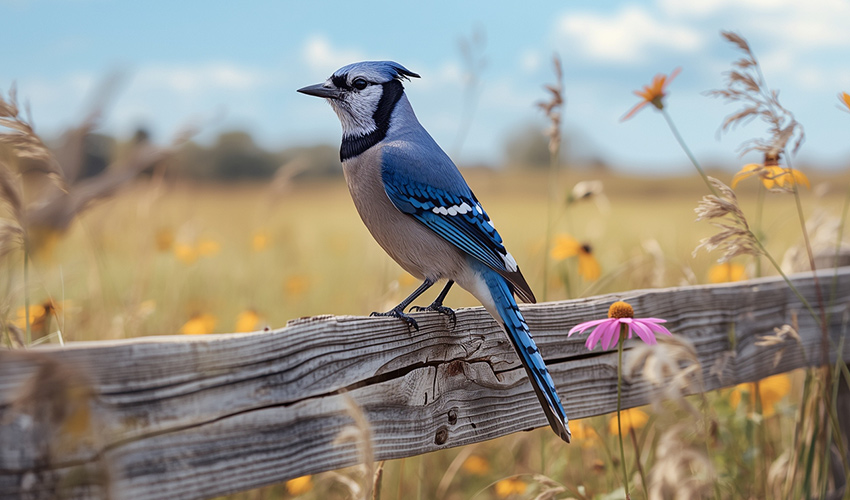


The northern cardinal is one of the most iconic songbirds in North America, loved for its bold color and beautiful voice. Often called the red cardinal, this bird instantly stands out with its bright red plumage and upright crest. The northern cardinal bird is unique because it stays active all year and does not migrate, even during harsh winters. Another special trait is that both males and females can sing, which is rare among songbirds. Its strong beak helps it crack seeds easily, making it a frequent visitor to backyard feeders. With its striking appearance and cheerful calls, the northern cardinal remains one of the most admired birds by nature lovers and birdwatchers.
Scientific Classification
Common & Scientific Name
- Common Name: Northern Cardinal
- Scientific Name: Cardinalis cardinalis
Family
- Cardinalidae
Order
- Passeriformes
Genus
- Cardinalis
Physical Appearance
Size and Weight
The northern cardinal’s size typically ranges from 8 to 9 inches (21-23 cm) in length, with a weight of about 33-65 grams.
Color and Markings
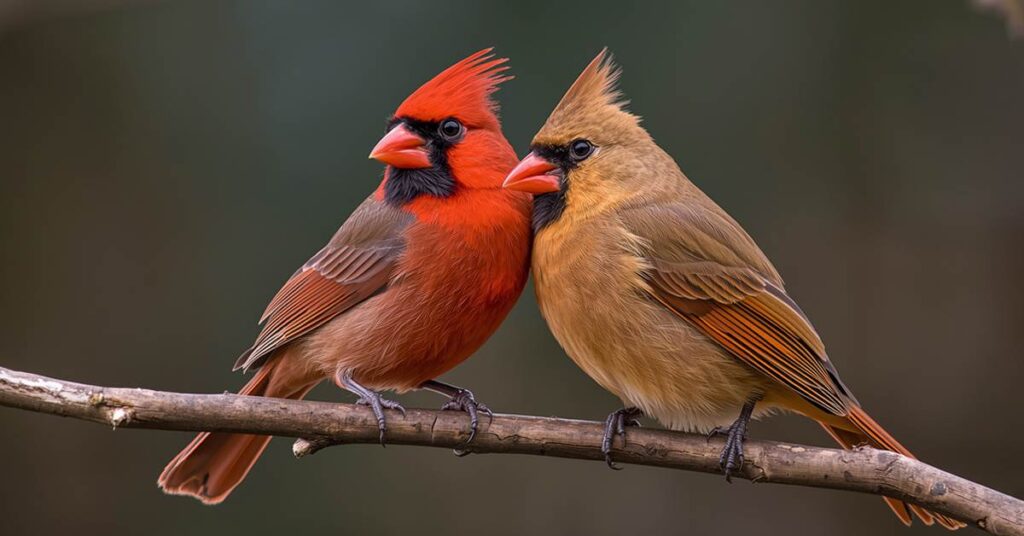
Male cardinals are bright red, while females are warm brown with reddish tinges on the wings and tail. Rare variations such as the northern yellow cardinal, leucistic northern cardinal, and even a bald northern cardinal can occur due to genetic traits or feather loss, making them especially unique sightings.
Wingspan and Body Shape
Cardinals have a wingspan of about 10 to 12 inches (25-31 cm), with rounded wings and a long tail. Their thick, strong body and dense northern cardinal feathers provide insulation and protection in colder weather.
Beak
The cardinal’s short, thick beak is designed for cracking seeds and tough shells with ease. This powerful beak is one of the bird’s most useful feeding adaptations, allowing it to handle a wide range of foods.
Male vs Female Differences
Males are more vividly colored, while females are softer-toned for camouflage, especially during nesting. Both have a pointed crest and dark facial mask, but the male’s red coloring is far more intense and easier to spot in the wild.
Habitat and Distribution
Natural Habitat
The northern cardinal habitat includes woodlands, forest edges, wetlands, gardens, and suburban areas. This adaptability allows the species to thrive close to human settlements as well as in natural environments.
Geographic Range
The northern cardinal range extends across much of North America, from southern Canada through the eastern and central United States. Over time, its range has expanded northward due to habitat changes.
Countries or Continents Found
Northern cardinals are found mainly in North America, particularly in the United States, Mexico, and parts of southern Canada. They are one of the most widespread resident songbirds on the continent.
Preferred Climate
The species prefers temperate to warm climates but can tolerate cold winters. Dense vegetation and reliable food sources help cardinals survive across a wide range of climatic conditions.
Diet and Feeding Habits
Primary Food Sources
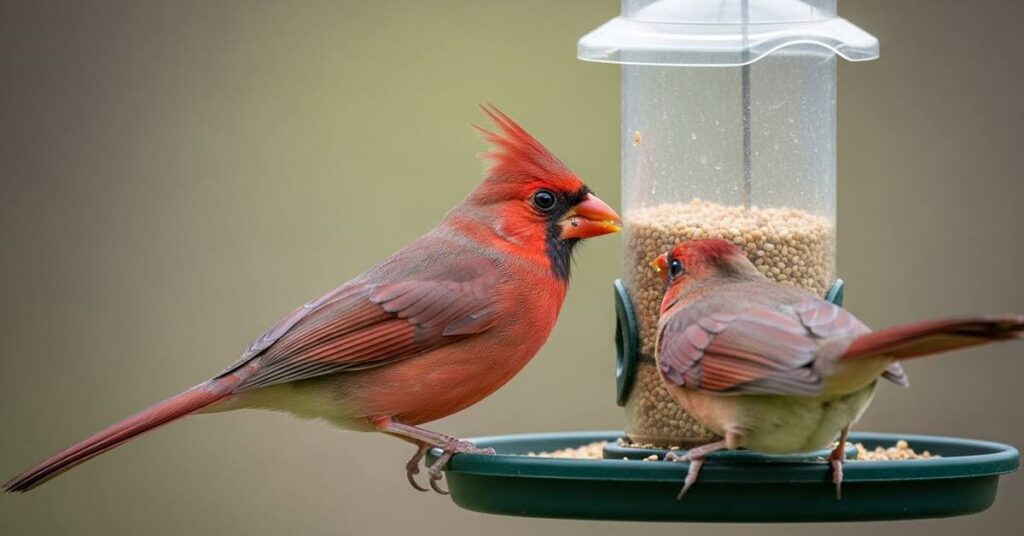
The northern cardinal’s diet mainly consists of seeds, grains, fruits, and berries, making it a frequent visitor to backyard feeders. Insects such as beetles, caterpillars, and grasshoppers are also important, especially during the breeding season.
Hunting or Feeding Techniques
Cardinals forage on the ground or in low shrubs, using their strong northern cardinal beak to crack hard seeds with ease. They are careful and deliberate feeders, often holding food with their feet while eating. This feeding technique allows them to access a wide variety of food types.
Seasonal Diet Changes
During warmer months, insects become a major part of the northern cardinal’s diet, providing essential protein for growing chicks. In winter, when insects are scarce, northern cardinal food shifts mostly to seeds and fruits. This seasonal flexibility helps the species survive in changing environments.
Behavior and Lifestyle
Daily Activity
The bird is diurnal and active during daylight hours.
Social Behavior
Usually seen alone or in pairs, sometimes forming small flocks in winter.
Migration Patterns
Northern cardinal migration is minimal. Cardinals are non-migratory and stay year-round.
Communication and Sounds
The northern cardinal’s call is loud and musical. Northern cardinal singing is common, especially during the breeding season.
Breeding and Reproduction
Mating Season
Northern cardinal mating usually begins in early spring, when pairs form strong bonds through singing and courtship displays. The northern cardinal nesting season typically lasts from March through late summer, allowing some pairs to raise more than one brood. Males often feed females during courtship, strengthening pair connections.
Nesting Habits
Northern cardinal nesting habits include building cup-shaped nests made of twigs, grass, and leaves. Nests are placed in dense shrubs, vines, or low trees to protect from predators. Females primarily build the nest, while males guard the territory.
Eggs and Incubation
Northern cardinal eggs are pale white to bluish with brown or gray speckles. A typical clutch contains 2 to 5 eggs, which are incubated by the female for about 11 to 13 days. During this time, the male brings food and helps protect the nest.
Chick Development
After hatching, chicks quickly grow into juvenile northern cardinals, also called an immature northern cardinal, with soft brown feathers. As they leave the nest, they are known as a northern cardinal fledgling, relying on their parents for food and protection. These northern cardinal young gradually learn to forage and become independent within a few weeks.

Lifespan and Survival
Average Lifespan in the Wild
The northern cardinal’s lifespan in the wild is usually around 3 to 5 years, though some individuals live longer under ideal conditions.
Predators
Common northern cardinal predators include hawks, owls, snakes, raccoons, and domestic cats. Nests and young birds are especially vulnerable, which is why cardinals often choose dense shrubs for protection.
Survival Adaptations
Cardinals survive through strong flight skills, alert behavior, and choosing hidden nesting sites to avoid threats. Seasonal northern cardinal molting also helps replace damaged feathers, improving insulation and flight efficiency for long-term survival.
Conservation Status
IUCN Status
Listed as Least Concern.
Population Trend
Populations are stable or increasing.
Threats
Habitat loss, window collisions, domestic cats, and climate change.
Importance in Ecosystem
The northern cardinal plays a valuable role in maintaining ecological balance. By feeding on seeds, fruits, and insects, it helps regulate insect populations and supports natural seed dispersal, which aids plant growth and habitat regeneration. As a prey species for various predators, it also contributes to the food chain. Overall, a stable northern cardinal population is considered a strong indicator of a healthy and balanced ecosystem.
Interesting Facts
- Both male and female cardinals sing, unlike most songbirds.
- Cardinals don’t migrate, so they stay in the same area year-round.
- The male’s red color comes from pigments in its food, especially berries.
- Cardinals can become yellow or pale (leucistic) due to rare genetic changes.
- They have a powerful beak that can crack tough seeds easily.
- Cardinals are the state bird of 7 U.S. states more than any other bird.
- They often mate for life and stay in strong pairs during breeding seasons.
Relationship with Humans
Cultural Importance
The northern cardinal is a powerful symbol of love, hope, and remembrance in many cultures and traditions. It is often featured in art, folklore, and spiritual beliefs across North America.
Birdwatching Value
Birdwatchers highly value Cardinals because they are easy to spot, active year-round, and known for their beautiful songs. Their bright color makes them a favorite backyard bird for all ages.
Human Interaction
Many people enjoy feeding cardinals and creating safe garden spaces for them. To attract northern cardinals, bird lovers often provide sunflower seeds, fresh water, and dense shrubs for shelter and nesting.
FAQ’s
What does a northern cardinal eat?
The northern cardinal’s food consists mainly of seeds, grains, and fruits, but they also eat insects, especially when feeding their young.
Where do northern cardinals live?
Northern cardinals live in dense shrubby areas and forest edges, and are common in suburban backyards across the eastern and southwestern United States, southern Canada, and Mexico.
How long do northern cardinals live?
The lifespan of a northern cardinal in the wild is typically 3 to 5 years, though some individuals have been known to live for nearly 16 years.
What does a northern cardinal sound like?
The northern cardinal’s singing is a loud, clear, and melodic whistle, often described as a series of repeated, slurred notes like “cheer-cheer-cheer” or “birdie-birdie-birdie.”
Where are northern cardinals found?
Northern cardinals are found throughout the eastern and southwestern United States, southern Canada, and parts of Mexico and Central America.
Do northern cardinals mate for life?
Yes, northern cardinals are generally monogamous and are believed to mate for life.